
TIBET
Tibet
Travel Information – Tibet
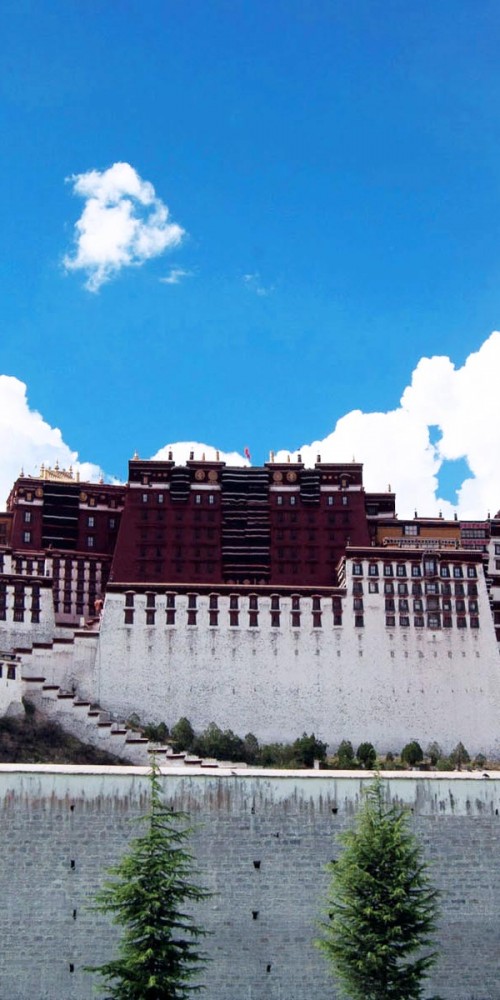
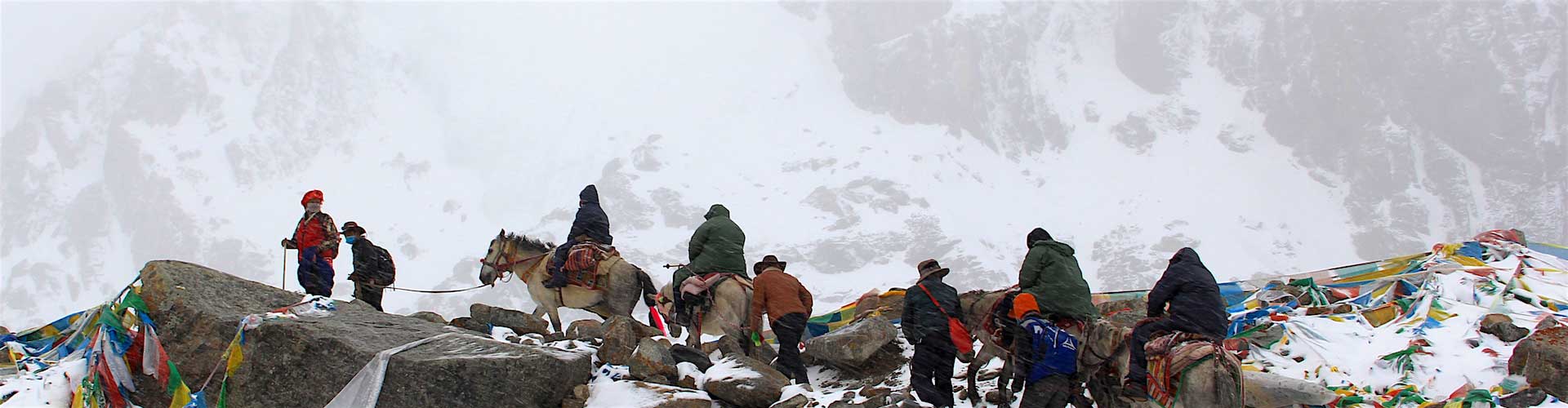
Located on the world’s highest plateau, the Tibet Autonomous Region is a destination of immense spiritual, cultural and natural significance. Monasteries, vast landscapes and deeply rooted traditions make Tibet a powerful travel experience — one that requires careful preparation and strict adherence to local regulations.
Access to Tibet is highly regulated by Chinese authorities, and all travel must be organised in advance.
Passport, Visa & Travel Permits
Travelling to Tibet involves specific administrative requirements:
- Passport valid at least 6 months after entry
- A valid Chinese tourist visa must be obtained before departure
- An additional Tibet Travel Permit is mandatory
- Permits are not issued individually and must be arranged through an authorised agency
- Travel is permitted only as part of an organised tour with licensed guide and driver
- Independent travel is not allowed
Regulations may change at short notice, making early planning and professional handling essential.
Altitude & Health Considerations
Tibet is one of the highest inhabited regions on Earth:
- Average altitude exceeds 3,500 metres
- Risk of Acute Mountain Sickness (AMS)
- Gradual acclimatisation is essential
- Itineraries must allow for progressive altitude gain and rest days
- Adequate hydration and moderate physical effort are strongly recommended
Travellers with heart, lung or circulatory conditions should seek medical advice before travelling.
Climate & Best Time to Travel
Tibet has a continental high-altitude climate:
- Best travel periods: spring (April–June) and autumn (September–October)
- Summers are short, sunny and dry, with strong UV exposure
- Winters are long, cold and demanding
- Temperatures drop significantly at night year-round
- Some routes and mountain passes may be seasonally closed, particularly in winter
Flexibility is important, as weather conditions can change rapidly.
Money, Communications & Practical Life
- Currency: Chinese Yuan (CNY)
- ATMs available in major cities, limited in remote areas
- Internet and mobile networks available in urban centres, less reliable elsewhere
- Electricity cuts may occur outside main towns — power banks recommended
Advance preparation improves travel comfort, especially in remote regions.
Culture, Etiquette & Responsible Conduct
Tibet is culturally and religiously sensitive:
- Modest dress required in monasteries and religious sites
- Always walk clockwise around stupas and prayer wheels
- Photography may be restricted in religious or military areas
- Respect monks, pilgrims and local customs
- Political or sensitive topics should be avoided
A respectful, discreet attitude is essential to a meaningful journey.
Responsible Travel in Tibet
ACME Voyages approaches travel to Tibet with particular care and responsibility. We work exclusively with authorised local partners and licensed guides, ensuring compliance with regulations while promoting respectful cultural exchange.
Responsible travel in Tibet also means:
- Respecting fragile high-altitude environments
- Limiting waste and plastic use
- Supporting local communities through authorised channels
- Travelling at a pace adapted to altitude and conditions
FAQ – Tibet Travel Essentials
Can Tibet be visited independently?
No. All travel must be organised through authorised agencies with licensed guides.
Is Tibet suitable for everyone?
Tibet is best suited to travellers in good health who are comfortable with altitude and remote travel conditions.
Is English spoken in Tibet?
English is limited; communication is mainly via local guides.
Is Tibet safe to visit?
Yes, provided travellers follow regulations, respect local customs and adapt to altitude.