
BHUTAN
Bhutan
Travel Information – Bhutan
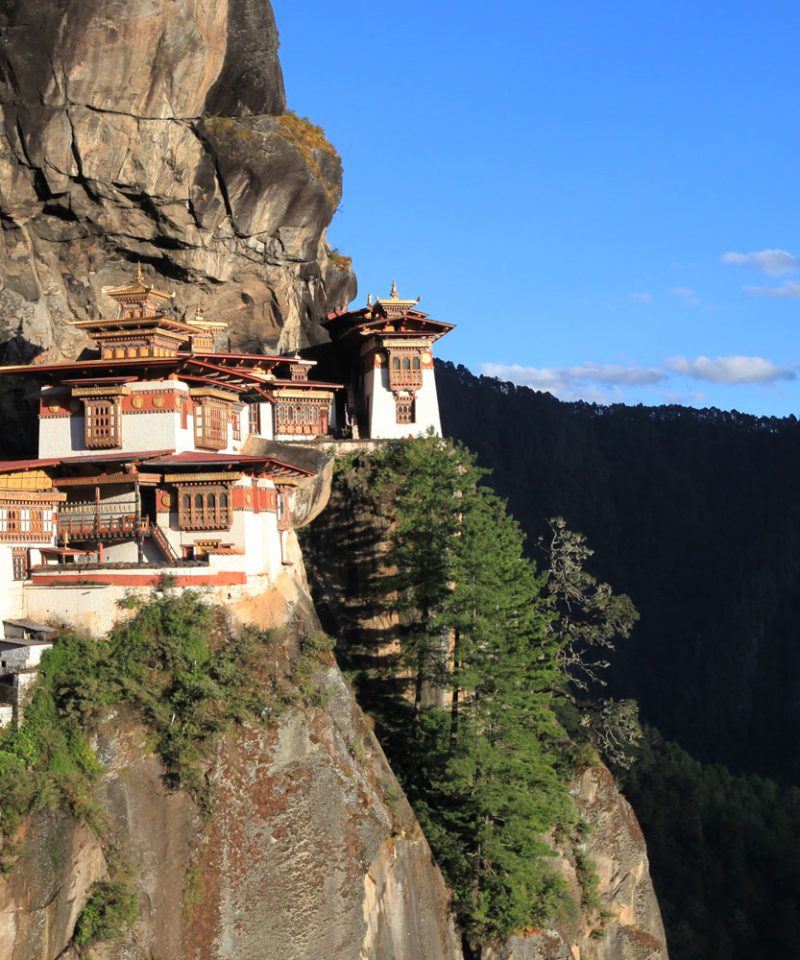
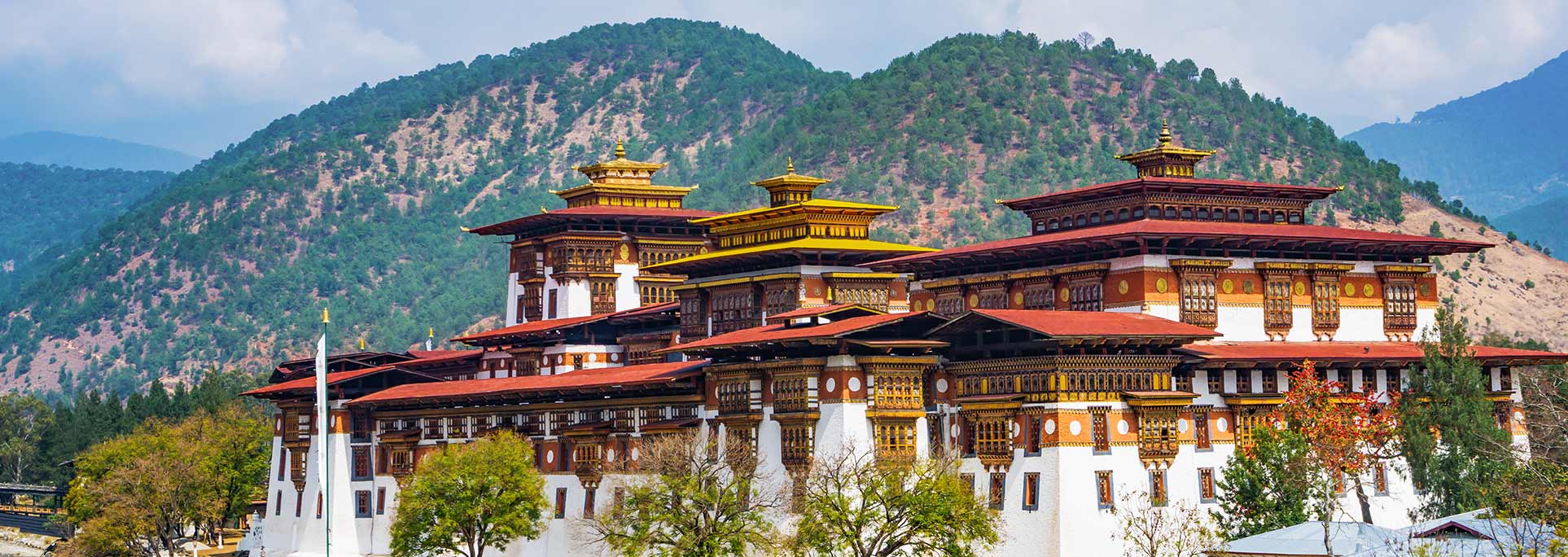
Hidden in the heart of the eastern Himalayas, Bhutan is a unique destination renowned for its pristine landscapes, deep-rooted Buddhist culture and strong commitment to sustainable development. Long protected from mass tourism, Bhutan follows a carefully regulated travel model designed to preserve its cultural heritage and natural environment.
Passport, Visa & Sustainable Development Fee
Travel to Bhutan is subject to specific regulations:
Passport valid at least 6 months after the date of entry
Visa is not applied for individually at an embassy
Travel must be organised through a licensed Bhutanese tour operator
A Sustainable Development Fee (SDF) is levied per traveller, per night
The SDF contributes directly to education, healthcare, infrastructure and environmental protection
Visa approval is issued once the full itinerary and payments are confirmed
Visa policies and SDF amounts may evolve; early planning is essential.
Climate & Best Time to Travel
Bhutan is a mountainous country with varied climatic zones:
Spring (March–May): mild temperatures, blooming valleys, excellent for cultural travel
Autumn (September–November): clear skies, ideal for festivals and trekking
Winter (December–February): colder, especially at altitude; some passes may be snowbound
Summer (June–August): monsoon season with lush landscapes but occasional travel disruptions
? Spring and autumn are generally the most favourable seasons.
Health, Altitude & Physical Conditions
While Bhutan is accessible to most travellers, a few precautions apply:
- Medical facilities are limited outside major towns
- Good general fitness is recommended, particularly for walks or treks
- Gradual acclimatisation is important in higher regions
- Licensed local guides accompany travellers throughout the journey
Listening to your guide’s advice ensures comfort and safety.
Money, Payments & Practical Life
Currency: Bhutanese Ngultrum (BTN), pegged to the Indian Rupee
Indian Rupees are widely accepted
Payments are mainly in cash; credit cards accepted only in select hotels
ATMs are limited outside main towns
Planning cash needs in advance is recommended.
Culture, Etiquette & Respect
Bhutanese society is deeply influenced by Vajrayana Buddhism and traditional values:
Modest dress required in monasteries, dzongs and religious sites
Photography may be restricted in certain sacred areas
Always ask permission before photographing people
Respect local customs, rituals and daily life
Shoes must be removed when entering temples and private homes
A respectful and discreet attitude is essential and warmly appreciated.
Responsible Travel in Bhutan
Bhutan is a global model for sustainable tourism, guided by the philosophy of Gross National Happiness. ACME Voyages fully supports this approach by working exclusively with licensed partners, local guides and community-based services.
Responsible travel in Bhutan means:
Supporting local employment and craftsmanship
Respecting fragile mountain ecosystems
Travelling at a mindful pace
Preserving cultural heritage for future generations
FAQ – Bhutan Travel Essentials
Is Bhutan suitable for first-time travellers to Asia?
Yes. Bhutan is calm, safe and well-organised, making it ideal for travellers seeking culture and nature without the intensity of mass tourism.
Can Bhutan be visited independently?
No. Independent travel is not permitted; all visits must be organised through authorised operators.
Is Bhutan expensive?
Bhutan’s pricing reflects its sustainable tourism policy, with costs contributing directly to national development and conservation.
Travel Bhutan with Confidence
Rare, serene and deeply spiritual, Bhutan offers a travel experience unlike any other. With careful planning, professional guidance and cultural respect, a journey to Bhutan becomes a meaningful and unforgettable exploration of Himalayan heritage.
===============================