
NEPAL
Nepal
Travel Information – Nepal
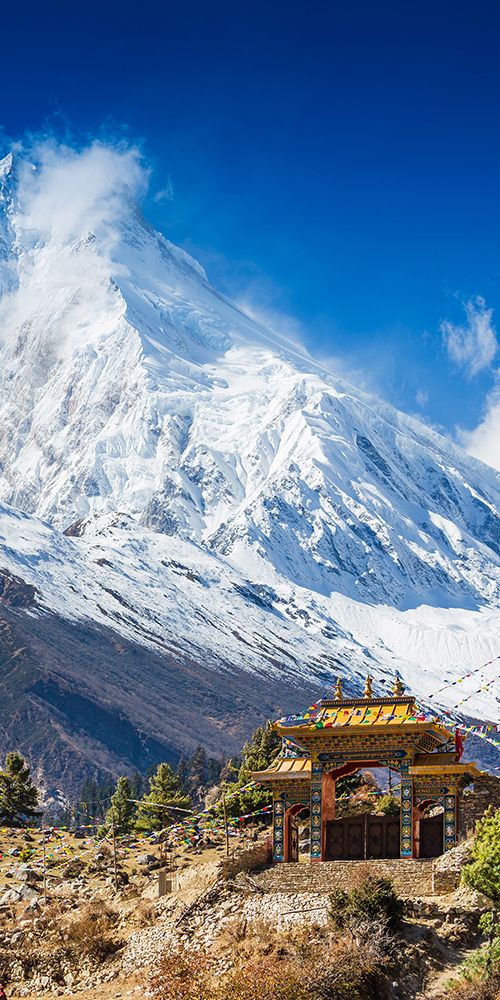
Nestled between India and Tibet, Nepal is a land of dramatic mountain landscapes, sacred valleys and welcoming communities. From cultural discoveries in Kathmandu Valley to legendary Himalayan treks, Nepal offers an exceptional travel experience that requires a few practical preparations.
Passport & Visa Requirements
Entry into Nepal is generally simple:
- Passport valid at least 6 months after the date of entry
- Tourist visa available on arrival at Kathmandu airport or online before departure
- Visa durations usually available: 15, 30 or 90 days
- Passport photos and payment (cash or card) required for visa on arrival
As visa conditions may change, checking official sources shortly before departure is recommended.
Time Difference, Climate & Best Time to Travel
- Time zone: GMT +5h45
- Time difference with France: +4h45 in winter / +3h45 in summer
Nepal has four main seasons:
- Autumn (October–November): clear skies, ideal for trekking and cultural travel
- Spring (March–April): pleasant temperatures and rhododendron bloom
- Monsoon (June–September): heavier rain, trails can be muddy but landscapes are lush
- Winter (December–February): colder, especially at altitude, but quieter for sightseeing
? The best periods for most journeys are spring and autumn.
Health, Altitude & Trekking Safety
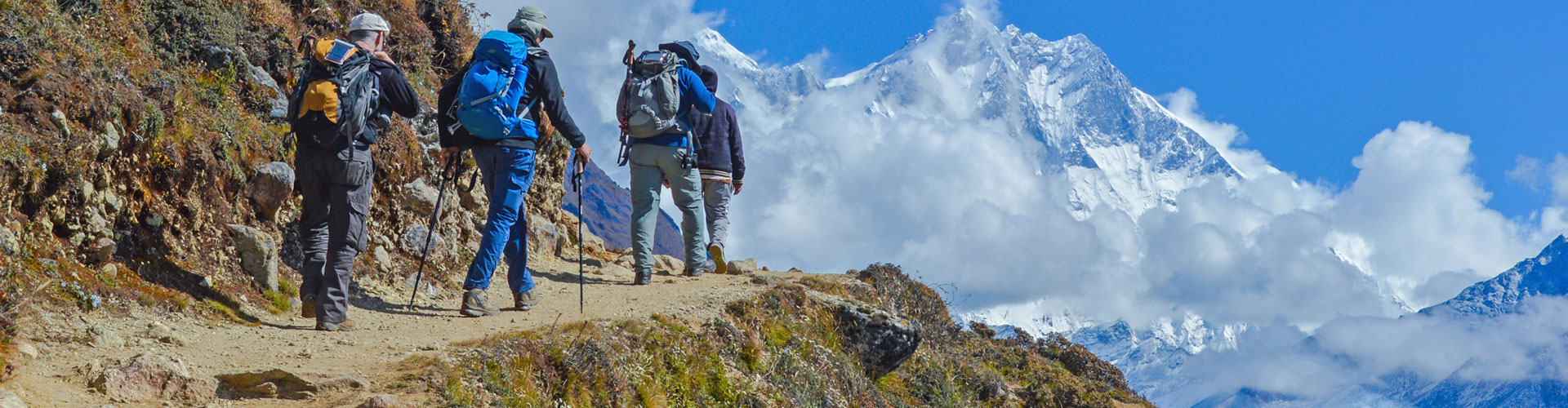
Nepal is a high-altitude destination, particularly for trekking:
- Risk of Acute Mountain Sickness (AMS) above 2,500 m
- Gradual acclimatisation is essential
- Adequate hydration and a moderate pace are key
- Descent is the best response if symptoms occur
A medical consultation before departure is recommended, especially for travellers with heart or respiratory conditions.
Trekking Permits & Local Regulations
For most trekking regions, permits are mandatory:
- TIMS card (Trekkers’ Information Management System)
- National park or conservation area permits
- In restricted areas, special permits may apply
Licensed local guides are now mandatory on the majority of trekking routes, contributing to safety, local employment and responsible tourism.
Money, Electricity & Practical Life
- Currency: Nepalese Rupee (NPR)
- ATMs available in Kathmandu and Pokhara, limited elsewhere
- Cash is essential in rural areas and on treks
- Credit cards accepted in major hotels and restaurants only
- Electricity: 230V, power cuts possible — power bank recommended
Internet access is common in cities, more limited in mountain regions.
Culture, Etiquette & Respect
Nepalese culture is deeply influenced by Hinduism and Buddhism:
- Modest dress recommended, especially in temples and rural areas
- Shoes removed before entering religious sites and private homes
- Always walk clockwise around stupas and mani walls
- Ask permission before photographing people or religious ceremonies
A respectful and patient attitude is warmly appreciated.
Responsible Travel in Nepal
ACME Voyages promotes responsible and sustainable travel throughout Nepal. We work with local guides, porters, community lodges and family-run hotels to ensure tourism benefits local populations while preserving fragile mountain ecosystems.
Responsible travel in Nepal also means:
- Respecting mountain environments and wildlife
- Limiting waste, especially plastic, during treks
- Supporting fair working conditions for guides and porters
- Being mindful of local customs and village life
FAQ – Nepal Travel Essentials
Is Nepal safe for travellers?
Yes. Nepal is generally safe and welcoming, provided normal precautions are taken.
Is Nepal suitable for non-trekkers?
Absolutely. Cultural tours, wildlife experiences and scenic journeys are accessible to all travellers.
Is English spoken in Nepal?
English is widely spoken in tourist areas and by guides.
Can Nepal be visited year-round?
Yes, but spring and autumn offer the best overall conditions.
Travel Nepal with Confidence
Authentic, spiritual and spectacular, Nepal leaves a lasting impression on every traveller. With proper planning, respectful behaviour and expert local guidance, a journey through Nepal becomes both safe and profoundly enriching.